

Grout Solutions
7 Best Shower Hard Water Removers
Jun
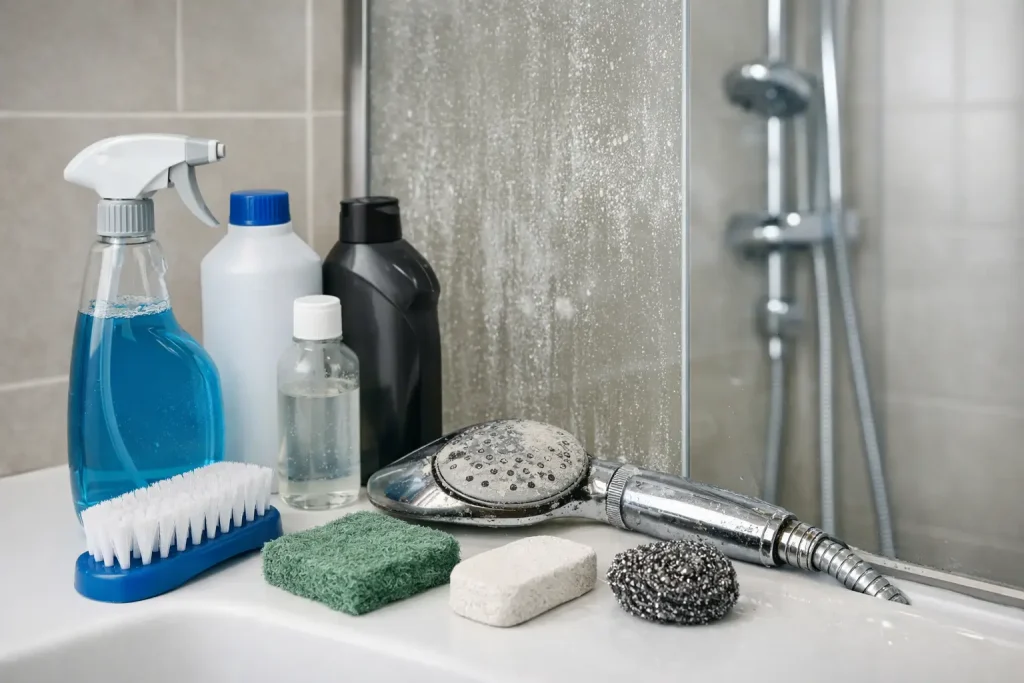
That cloudy shower glass did not get that way overnight, and it usually does not come clean with a quick spray-and-wipe either. If you are comparing the best shower hard water removers, the real question is not just what is strongest. It is what will cut mineral buildup effectively without dulling stone, damaging grout, or turning a simple cleanup into a repair project.
Hard water stains are stubborn because they are not just dirt. They are mineral deposits, usually calcium and magnesium, that bond to shower glass, tile, grout lines, fixtures, and stone. Add soap scum on top, and you get that chalky, filmy layer that makes an otherwise clean bathroom still look tired. The right remover can restore surfaces right back to new. The wrong one can leave etching, haze, or weakened sealers behind.
What the best shower hard water removers actually do
The best products break down mineral scale without forcing you to rely on aggressive scraping or repeated passes with abrasive pads. In most showers, that means using an acid-based formula or a specialty mineral remover designed to dissolve buildup. But not every shower surface can handle the same chemistry.
That is where many homeowners get tripped up. A cleaner that works beautifully on glass doors and porcelain tile may be a bad choice for marble, travertine, limestone, or other calcium-based natural stone. On those surfaces, the cleaner can react with the stone itself instead of just the deposit sitting on top of it.
If your shower has mixed materials, and many do, the best approach is surface-specific. Clean each area with the product made for that material instead of assuming one bottle can safely handle everything.
7 best shower hard water removers by surface and situation
1. Acid-based mineral removers for glass shower doors
If your main problem is white haze on clear glass, an acid-based hard water remover is usually the fastest path to visible improvement. These formulas are made to dissolve the mineral layer that regular bathroom cleaners leave behind. They are especially effective when the glass feels rough or still looks spotted after cleaning.
This is often the best choice for showers with heavy scale buildup, but there is a trade-off. Stronger formulas need careful handling, good ventilation, and strict avoidance on sensitive stone or certain metal finishes. Used correctly, though, they can deliver the kind of before-and-after result homeowners actually notice from across the room.
2. Non-abrasive cream cleansers for tile and fiberglass
For shower walls that have both soap scum and hard water residue, a non-abrasive cream cleanser can be a smart middle ground. These products give you more dwell time and a little more cling on vertical surfaces, which helps loosen buildup without scratching glazed tile or fiberglass surrounds.
They are not always the quickest fix for severe mineral crust, but they are often easier to control than thin liquid acids. If your shower needs regular upkeep rather than full restoration, this type of remover can be a piece of cake to work into your maintenance routine.
3. Professional-grade deep cleaners for grout lines
Grout rarely suffers from hard water alone. More often, it is dealing with mineral deposits, soap residue, body oils, and discoloration all at once. A professional-grade deep cleaner made for tile and grout is often the better answer here than a generic limescale spray.
The goal is to clean out the embedded grime without weakening the grout surface. Once grout is fully cleaned, many homeowners realize the bigger issue is uneven color or lingering stains that cleaning alone cannot reverse. That is where restoration-first products earn their keep. A quality color sealer can recolor and stainproof grout in one step, giving you a cleaner, more uniform finish that lasts far longer than a scrub-only approach.
4. Stone-safe hard water removers for marble and travertine
Natural stone showers need a different playbook. If you have marble, travertine, limestone, or onyx, skip traditional acidic hard water removers. Even one application can etch the surface and leave dull marks that are harder to fix than the original water spots.
The best shower hard water removers for stone are pH-neutral or stone-specific formulas designed to loosen residue safely. They may work more slowly, and in some cases they need agitation with a soft white pad, but that slower process is worth it. Protecting the finish matters more than a quick win that causes permanent damage.
5. Daily shower sprays for light mineral prevention
Not every hard water remover needs to be a heavy hitter. If your shower is already in good shape, a daily shower spray can help prevent minerals and soap scum from building back up. These are best for maintenance, not rescue jobs.
Think of them as the reason you do not have to do another major cleanup next month. They work especially well on glass doors, glossy tile, and fixtures when used consistently after showering. They are less useful on neglected buildup that has had months to harden.
6. Descaling gels for fixtures and corners
Showerheads, faucet trim, corners, and door tracks often hold the worst crusty buildup because water sits there longer. A descaling gel is helpful in these spots because it clings instead of running off immediately.
This targeted format gives the active ingredients more contact time, which can mean less scrubbing in tight areas. It is a practical choice when the rest of the shower is manageable but the details still make the whole space look unfinished.
7. Restoration systems for showers with buildup plus cosmetic wear
Sometimes the problem is not just hard water. It is hard water, stained grout, dingy caulk lines, dull tile, and a shower that still looks old after cleaning. In that case, a full restoration system makes more sense than buying a single remover and hoping for a complete transformation.
A good system starts with a deep cleaner to break down buildup, then moves into protection. For tile and grout showers, that may mean sealing or recoloring grout so the clean look holds up. This is where a restoration-focused brand like This Old Grout stands out. Instead of stopping at cleanup, it helps homeowners get to the finish line with surfaces that look renewed and stay protected.
How to choose among the best shower hard water removers
Start with the shower material, not the stain. Glass, ceramic tile, porcelain, fiberglass, grout, chrome, and natural stone all respond differently to cleaners. If your shower includes stone, that surface sets the rules.
Next, look at how heavy the buildup is. Light spotting can often be handled with a maintenance cleaner or non-abrasive remover. Thick white crust, cloudy glass, and rough-feeling deposits usually need a stronger mineral remover or a deeper restoration process.
Also be honest about your goal. If you want a quick cosmetic improvement before guests arrive, a surface cleaner may be enough. If you want a stain-free makeover that still looks good months from now, cleaning and protection need to work together.
Common mistakes that make hard water worse
The biggest mistake is using abrasive tools too early. Steel wool, razor blades, and gritty scrubbers can scratch glass, wear down finishes, and rough up surfaces so they grab even more buildup later.
Another common misstep is overusing acidic products on grout and stone. On the right surface, these cleaners are effective. On the wrong one, they create expensive damage fast. Spot testing is always worth the extra few minutes.
Then there is the maintenance gap. Homeowners often do a major deep clean, love the result, and then go right back to plain water and occasional bathroom spray. Without a maintenance cleaner or protective step, hard water usually returns sooner than expected.
A better way to keep showers looking clean longer
The most effective routine is simple. Remove the existing buildup with the right product for each surface, rinse thoroughly, and dry high-contact areas like glass and metal trim. Then maintain with a gentle cleaner that prevents residue from stacking up again.
For grout, think beyond cleaning alone. If the lines still look blotchy after deep cleaning, restoration may be the missing piece. Recoloring and sealing grout can dramatically improve the entire shower, especially in older bathrooms where the tile itself is still in good shape.
A clean shower should not be a constant battle. With the right hard water remover and a little surface-specific strategy, you can stop chasing haze and buildup and start enjoying a shower that actually looks finished.
