

Grout Solutions
DIY vs. Professional Grout Repair: When to Call an Expert
Sep
Grout plays a vital role in maintaining the integrity and appearance of your tiled surfaces, whether in the bathroom, kitchen, or other areas of your home. Over time, grout can crack, discolor, or deteriorate, making it necessary to repair or replace it to preserve the look and function of your tiles. When faced with grout issues, many homeowners find themselves asking the same question: Should I tackle this repair myself, or is it time to call in a professional?
In this article, we’ll explore the factors to consider when deciding between DIY and professional grout repair. By understanding the scope of the repair, your skill level, and the potential risks involved, you can make an informed decision that ensures your tiled surfaces remain in top condition.
Understanding Grout Problems
Before diving into the decision of whether to DIY or hire a professional, it’s important to understand the common issues that can arise with grout. Knowing the specific problem you’re dealing with can help you assess the complexity of the repair and determine whether it’s something you can handle on your own.
1. Cracked Grout
Cracked grout is one of the most common issues homeowners face. Grout can crack due to several reasons, including house settling, improper installation, or simply wear and tear over time. Small, hairline cracks might be manageable with a DIY approach, but larger or widespread cracking could indicate underlying structural issues that require professional attention.
2. Discolored Grout
Grout discoloration occurs when dirt, mold, or mildew seeps into the porous surface of the grout. While surface stains can often be cleaned with household products, deeply ingrained discoloration may require more intensive treatment or even re-grouting. Discolored grout can be an aesthetic issue, but it can also signal moisture problems that need to be addressed to prevent further damage.
3. Missing or Loose Grout
Over time, grout can become loose or even fall out, leaving gaps between tiles. This can lead to water infiltration, which can damage the substrate beneath the tiles and cause more serious issues. Replacing missing or loose grout is essential to maintaining the waterproofing and stability of your tiled surfaces.
4. Moldy Grout
Mold growth in grout is a common problem in areas with high humidity, such as bathrooms and kitchens. While mild mold can often be cleaned with a DIY solution, extensive mold growth might indicate deeper issues with moisture management, which could require professional intervention.
When DIY Grout Repair is a Good Option
For homeowners who enjoy tackling home improvement projects, DIY grout repair can be a rewarding and cost-effective solution. Here are some scenarios where DIY grout repair is a viable option:
1. Small Cracks and Surface Repairs
If you’re dealing with minor cracks or surface-level damage, a DIY grout repair can be a straightforward and manageable task. Small cracks can often be filled in with a grout repair kit, which typically includes pre-mixed grout or caulk that matches your existing grout color. This type of repair is relatively simple and doesn’t require specialized tools or expertise.
2. Cleaning and Recoloring Discolored Grout
Discolored grout that isn’t deeply stained can often be revitalized with a thorough cleaning. There are a variety of grout cleaning products available that can remove surface stains and restore the original color of your grout. If cleaning alone doesn’t achieve the desired results, you might consider using a grout colorant or sealer to recolor and protect the grout.
3. Replacing Small Sections of Missing Grout
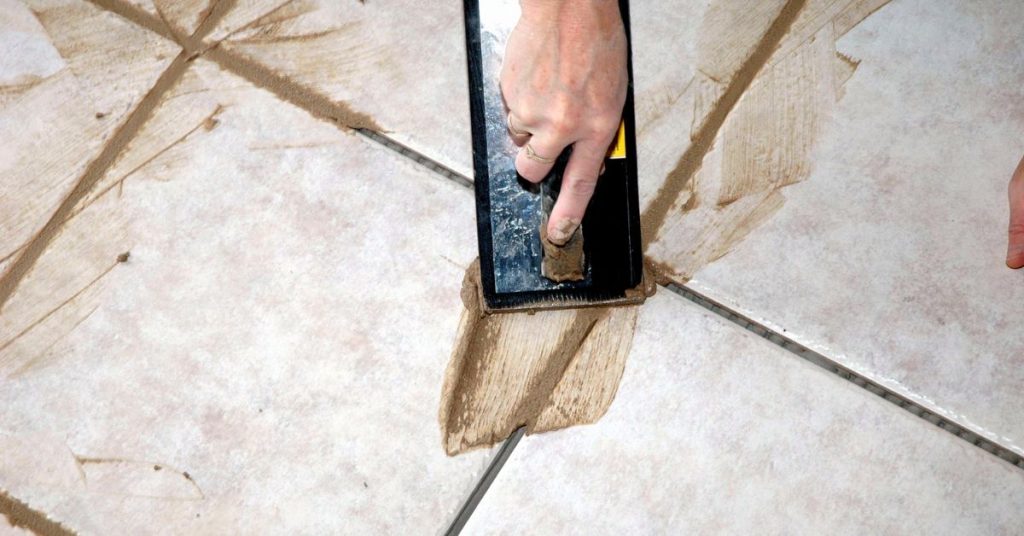
If you notice small sections of grout missing between your tiles, a DIY repair can be effective. You can purchase a small amount of matching grout and use it to fill in the gaps. This process typically involves removing any loose grout, applying new grout with a grout float, and then wiping away the excess with a damp sponge. With careful application, you can achieve a seamless repair that blends with the surrounding grout.
4. Mold Removal
For mild cases of mold in grout, DIY cleaning solutions can often do the trick. A mixture of baking soda, vinegar, and water can be applied to the moldy areas, scrubbed with a stiff brush, and then rinsed away. For more stubborn mold, you might need to use a stronger cleaner specifically designed for mold and mildew removal.
When to Call a Professional for Grout Repair
While DIY grout repair can be effective for minor issues, there are certain situations where professional expertise is essential. Here are some scenarios where hiring a professional is the best course of action:
1. Extensive Grout Damage
If your grout is extensively cracked, missing, or deteriorating, it’s time to call in a professional. Large-scale grout damage can compromise the integrity of your tiled surfaces, leading to potential water damage and structural issues. A professional will have the tools and expertise to remove the damaged grout, properly prepare the surface, and apply new grout that will last.
2. Underlying Structural Issues
Sometimes, grout problems are a symptom of larger structural issues. For example, if your home’s foundation has shifted, it can cause tiles to move and grout to crack. Similarly, improper installation or substrate movement can lead to persistent grout issues that DIY repairs won’t fix. In these cases, a professional can assess the underlying cause of the problem and recommend the appropriate repairs to prevent future damage.
3. Major Mold Infestations
If mold has deeply infiltrated your grout or is widespread across your tiled surfaces, professional intervention is necessary. Mold can pose serious health risks, and removing it thoroughly requires specialized knowledge and equipment. A professional can safely remove the mold, treat the affected areas to prevent recurrence, and repair any damaged grout.
4. Re-Grouting Large Areas
Re-grouting involves removing the old grout and replacing it with new grout, a process that can be time-consuming and labor-intensive. For large areas, such as entire floors or shower walls, this task can be overwhelming for a DIYer. A professional can complete the job more quickly and efficiently, ensuring that the grout is applied evenly and correctly.
5. Custom Tile Installations
If you have custom or intricate tile installations, such as mosaics or patterned tiles, hiring a professional is recommended. These projects require precision and experience to achieve a flawless finish. A professional will be able to match grout colors accurately and apply the grout in a way that enhances the beauty of your custom tiles.
The Benefits of Hiring a Professional for Grout Repair
Hiring a professional for grout repair offers several benefits that can make it a worthwhile investment. Here’s why you might want to consider calling in the experts:
1. Expertise and Experience
Professional grout repair specialists have the expertise and experience to handle a wide range of grout issues. They can quickly diagnose the problem, recommend the best solution, and execute the repair with precision. This level of expertise ensures that the repair is done correctly the first time, reducing the likelihood of future problems.
2. Time and Convenience
Grout repair can be a time-consuming process, especially for larger projects. By hiring a professional, you can save time and avoid the hassle of dealing with the repair yourself. Professionals have the tools and skills to complete the job more quickly, allowing you to enjoy your tiled surfaces without the stress of a DIY project.
3. Long-Lasting Results
One of the biggest advantages of hiring a professional is the assurance of long-lasting results. Professionals use high-quality materials and advanced techniques to ensure that your grout repair will stand the test of time. This not only enhances the appearance of your tiles but also protects your home from potential damage.
4. Safety and Health Considerations
Dealing with mold, mildew, and other potential hazards in grout can be risky. Professionals have the proper equipment and training to handle these issues safely, minimizing health risks for you and your family. Additionally, they can treat the affected areas to prevent mold from returning, ensuring a healthier home environment.
5. Professional Finish
A professional grout repair will have a polished, professional finish that is difficult to achieve with DIY methods. This is especially important for visible areas like kitchen backsplashes or bathroom floors, where the quality of the grout can impact the overall look of the space. A professional can ensure that the grout lines are clean, even, and perfectly matched to your tiles.
Tips for a Successful DIY Grout Repair
If you decide to tackle grout repair yourself, here are some tips to help you achieve the best possible results:
1. Choose the Right Grout
Selecting the right grout for your project is crucial. Grout comes in various types, including sanded, unsanded, and epoxy. Make sure to choose the grout that is appropriate for your tile type and the width of the grout lines. For example, sanded grout is best for wider grout lines, while unsanded grout is ideal for narrower lines.
2. Prepare the Area
Proper preparation is key to a successful grout repair. Clean the area thoroughly, removing any dirt, debris, or loose grout. If you’re re-grouting, you’ll need to remove the old grout using a grout saw or a multi-tool with a grout removal attachment. Take your time with this step to ensure that the new grout adheres properly.
3. Follow the Manufacturer’s Instructions
Always follow the manufacturer’s instructions when mixing and applying grout. This includes mixing the grout to the correct consistency, applying it with the right tools, and allowing it to cure for the recommended time. Skipping steps or rushing the process can lead to poor results and may require redoing the repair.
4. Use the Right Tools
Using the right tools can make a big difference in the outcome of your grout repair. Common tools for grout repair include a grout float, a sponge, a grout saw, and a mixing bucket. Having the right tools on hand will help you achieve a smooth, even finish.
5. Protect the Surrounding Area
When repairing grout, it’s important to protect the surrounding area from grout stains or damage. Use painter’s tape to cover the edges of your tiles, and lay down drop cloths or plastic sheets to catch any spills. This will make the cleanup process easier and prevent accidental damage to your tiles.
Conclusion
Deciding between DIY and professional grout repair depends on the severity of the grout issues, your skill level, and the potential risks involved. While minor repairs can often be handled by a DIY enthusiast, more extensive damage or underlying structural issues require the expertise of a professional. By assessing the situation carefully and considering the benefits of professional repair, you can ensure that your tiled surfaces remain in excellent condition for years to come.
For expert advice, top-quality products, and professional grout repair services, visit This Old Grout. Whether you’re tackling a DIY project or need professional assistance, we have the resources and expertise to help you achieve flawless results.
