

Grout Solutions
How Long Does Color-Sealed Grout Last? Understanding 10–15 Years of Protection
Oct
One of the most common questions homeowners ask about grout color sealing is simple:
How long will it last?
That is an important question, especially if you are taking the time to clean, prepare, and restore grout throughout a kitchen, bathroom, entryway, or other tiled area.
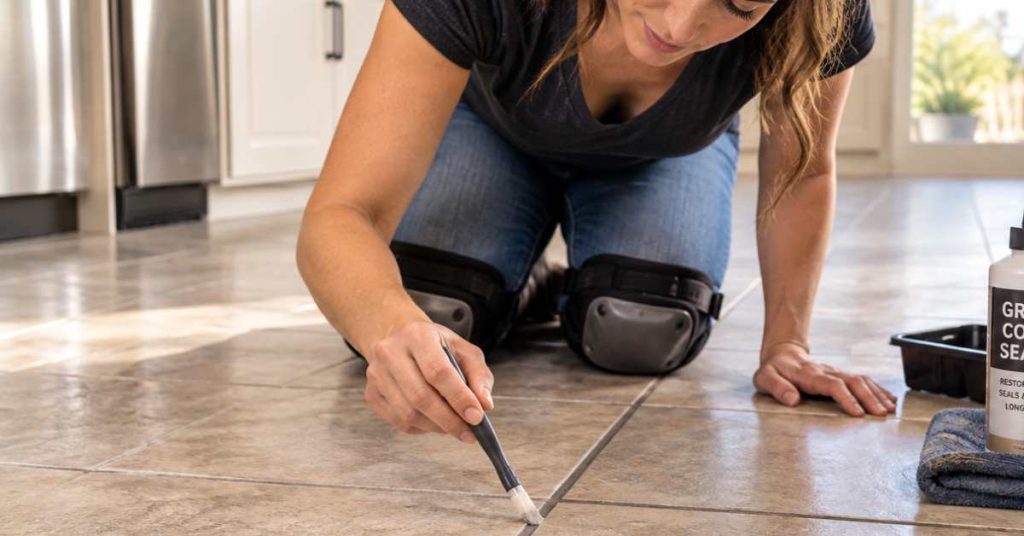
With proper preparation, application, and maintenance, This Old Grout Color Seal can provide a durable protective finish for 10 to 15 years.
That does not mean every grout line in every home will wear at exactly the same rate. Traffic, moisture, cleaning habits, surface preparation, and the condition of the existing grout all affect long-term performance.
Still, color sealing can provide much longer-lasting results than simply cleaning stained grout and hoping it stays clean.
What Is Grout Color Sealing?
Grout color sealing does two things at once.
It restores or changes the appearance of the grout while also adding a protective finish over the surface.
That makes it different from ordinary grout cleaning.
Cleaning can remove dirt, grease, soap residue, and other buildup, but it cannot always correct permanent staining, fading, or inconsistent color.
Even after a thorough cleaning, older grout may still look blotchy or uneven.
A grout color sealer creates a more consistent finished appearance while helping protect the grout against future staining.
That makes it useful for both older tile installations and newer grout that homeowners want to protect before discoloration begins.
Why Can Color Seal Last 10–15 Years?
The longevity comes from how a quality color sealer bonds to properly prepared grout.
Untreated grout is porous, which means spills, oils, and soil can work their way into the surface over time.
Color sealing creates a finished protective layer that helps reduce that absorption.
But the phrase properly prepared matters.
A color sealer cannot perform at its best if it is applied over grease, soap residue, old coatings, wax, or years of embedded soil.
For the sealer to bond correctly, the grout needs to be clean and ready to accept the product.
Long-Lasting Results Start With Preparation
If you want color-sealed grout to last, the most important work happens before the color is applied.
Older grout can hold much more than visible dirt.
Depending on where it is located, the surface may contain:
- Cooking grease
- Body oils
- Soap residue
- Cleaning products
- Previous grout sealer
- Wax
- Floor-care coatings
- Dirt
- Pet residue
- Spills
Any of these can interfere with adhesion.
That is why a proper restoration should not begin by opening a bottle of Color Seal.
It starts with cleaning and surface preparation.
Use Deep Clean When There Is Heavy Buildup
This Old Grout’s Deep Clean is designed for more demanding preparation work.
It helps remove greasy and oily buildup, waxes, old coatings, and previous sealers that may otherwise interfere with the new finish.
This step becomes especially important if the grout has been treated before.
Applying Color Seal over old residue can make it harder for the new coating to bond properly.
Think of it much like painting.
Even a high-quality paint will struggle to perform well if it is applied over a greasy or poorly prepared wall.
Grout restoration follows the same principle.
Easy Clean Helps Prepare the Surface for Color Seal
After heavier buildup has been removed, Easy Clean can help complete the preparation process.
The objective is straightforward: leave the grout clean and ready for Color Seal.
It can be tempting to rush this part of the job because the visible transformation happens later.
But taking more time at the beginning can make a major difference in how well the finished surface performs over the years.
A durable grout restoration starts before any color is applied.
New Grout Can Be Color Sealed Too
Color sealing is not only a solution for old or stained grout.
It can also be used to protect new grout.
Once the grout has cured properly, Color Seal can be applied before dirt, spills, and discoloration have had years to settle into the surface.
That gives homeowners a preventative option instead of waiting until the grout starts looking worn.
This can be especially helpful in kitchens, laundry rooms, entryways, bathrooms, and other areas that see regular traffic or moisture.
What Can Shorten the Life of Color-Sealed Grout?
A 10–15 year protection range does not mean the finish is indestructible.
Different areas of the home experience very different levels of wear.
A guest bathroom may see relatively little foot traffic, while a kitchen walkway may be crossed dozens of times each day.
An entryway might deal with shoes, dirt, water, pets, and outdoor debris.
Because of that, some grout lines may show wear sooner than others.
Harsh Cleaners Can Wear the Finish Faster
Once grout has been color sealed, routine cleaning should become easier.
That also means aggressive cleaning methods are usually unnecessary.
Harsh chemicals can wear away at many finished surfaces over time, and color-sealed grout is no exception.
Use products that are appropriate for tile and grout and follow the manufacturer’s directions.
The goal is to remove normal surface soil without repeatedly attacking the protective finish.
More scrubbing is not always better.
Avoid Unnecessary Abrasive Scrubbing
Stiff brushes and aggressive pads may be useful during the restoration process, but they should not become part of your weekly maintenance routine.
Constant abrasive scrubbing creates extra wear.
Once grout is properly sealed, routine cleaning should focus on removing surface dirt before it has a chance to accumulate.
That is one of the main advantages of color sealing.
Instead of trying to pull stains back out of porous grout, you are maintaining a protected surface.
High-Traffic Areas Usually Show Wear First
Grout rarely wears evenly across an entire room.
In a kitchen, the path between the sink, refrigerator, and stove may receive much more traffic than grout along the edges of the room.
Doorways, hallways, and entrances often show the same pattern.
Those heavily used sections may need attention before the rest of the floor does.
That does not automatically mean the entire area needs to be restored again.
Inspect high-traffic locations periodically and address isolated wear when it appears.
Showers Put Grout in a Tougher Environment
A tile shower is very different from a dry floor.
Grout in a shower is regularly exposed to water, soap, minerals, personal-care products, and frequent cleaning.
That makes proper maintenance especially important.
Keep soap residue and buildup under control, and pay attention to cracked grout, failed caulk, or other signs of a larger installation issue.
Color Seal can help protect grout and improve its appearance, but it cannot correct structural problems underneath the surface.
Color Seal Does Not Repair Damaged Grout
This distinction is important.
Color Seal can restore the appearance of grout and protect grout that is structurally sound.
It does not rebuild joints that are loose, badly cracked, missing, or failing.
Inspect the grout before sealing.
Any damaged areas should be repaired first, and the repair material should be allowed to cure as required before the restoration continues.
The finished surface can only perform as well as the grout underneath it.
How Can You Tell When Color Seal Is Wearing?
You do not have to automatically restore the floor again just because a certain number of years have passed.
Instead, inspect the grout.
Look for areas where the finished color has become thin, faded, or inconsistent.
Also pay attention to sections that seem to stain more easily than they once did.
Places worth checking include:
- Doorways
- Kitchen work areas
- Bathroom floors
- Entryways
- Hallways
- High-traffic paths
If the rest of the floor still looks good, you may only need to address the areas showing noticeable wear.
Color Seal Is Different From Clear Grout Sealer
The term “grout sealer” is often used to describe several different types of products.
They do not all work the same way.
A clear penetrating sealer typically helps reduce absorption while allowing the existing grout color to remain visible.
A pigmented color sealer, on the other hand, restores or changes the grout color while creating a protective finished surface.
That difference matters when you are comparing appearance, maintenance, and long-term results.
If the grout is already discolored or uneven, a clear sealer will not make those inconsistent shades disappear.
Color sealing can.
Can You Change the Grout Color Completely?
Yes.
You are not limited to matching the original grout color.
Color sealing can be used either to restore the original appearance or to give the tile installation a different look.
For example, you may decide to:
- Change light grout to a darker shade
- Change dark grout to a lighter color
- Match updated décor
- Increase contrast with the tile
- Reduce contrast
- Blend uneven repairs
- Return stained grout to a more consistent appearance
This Old Grout’s Color Seal is available to coordinate with many major grout manufacturers’ color selections.
That gives homeowners much more flexibility than simply accepting the color the grout has developed over time.
Color Sealing Can Make Everyday Cleaning Easier
Untreated grout can absorb soil, oils, and spills.
Over the years, that can leave grout looking dirty even after it has been cleaned.
Sometimes the remaining discoloration is not surface dirt at all. It is staining that has worked into the porous grout.
Color sealing changes that maintenance equation.
Because the grout has a protective finished surface, everyday soil is less likely to become deeply embedded.
You still need to clean the floor regularly, but maintenance can become much more manageable.
Good Maintenance Helps Extend the Life of the Finish
If you want to get as close as possible to the long end of the 10–15 year range, what happens after installation matters.
Clean floors regularly.
Wipe up spills rather than allowing them to sit.
Avoid unnecessarily aggressive cleaners.
Do not allow grease, soap residue, or other buildup to accumulate for years.
Use products that are appropriate for tile and color-sealed grout.
Most importantly, pay attention to the surface.
Minor wear is much easier to deal with than years of neglect.
Is Grout Color Sealing Worth It?
For many homeowners, one of the biggest advantages is that color sealing can restore grout without requiring a more disruptive replacement project.
If the grout itself is still structurally sound, you may not need to remove it simply because it looks stained, faded, or outdated.
Instead, the existing grout can be cleaned, prepared, recolored, and protected.
That can dramatically change the appearance of an entire tile floor.
Grout may make up only a small percentage of the visible surface, but dirty or uneven grout lines can make the whole room feel older.
Restoring those lines can help the tile stand out again.
Restore and Protect Your Grout With This Old Grout
This Old Grout has spent more than three decades developing contractor-grade tile and grout restoration products for professionals and homeowners.
The Color Seal system is designed to restore old, stained, faded, or uneven grout to a more consistent color while adding a durable layer of protection that can last 10–15 years when properly prepared, applied, and maintained.
For older grout, the process begins with removing dirt, grease, old coatings, and other buildup.
For new grout, proper curing should come first before Color Seal is applied.
After installation, the right maintenance routine can help protect the finished surface for years.
Color sealing is not simply about making grout look better on the day it is applied.
Done properly, it can help keep grout more uniform, easier to maintain, and better protected for the long term.
