

Grout Solutions
Grout Color Sealer: What It Does
May
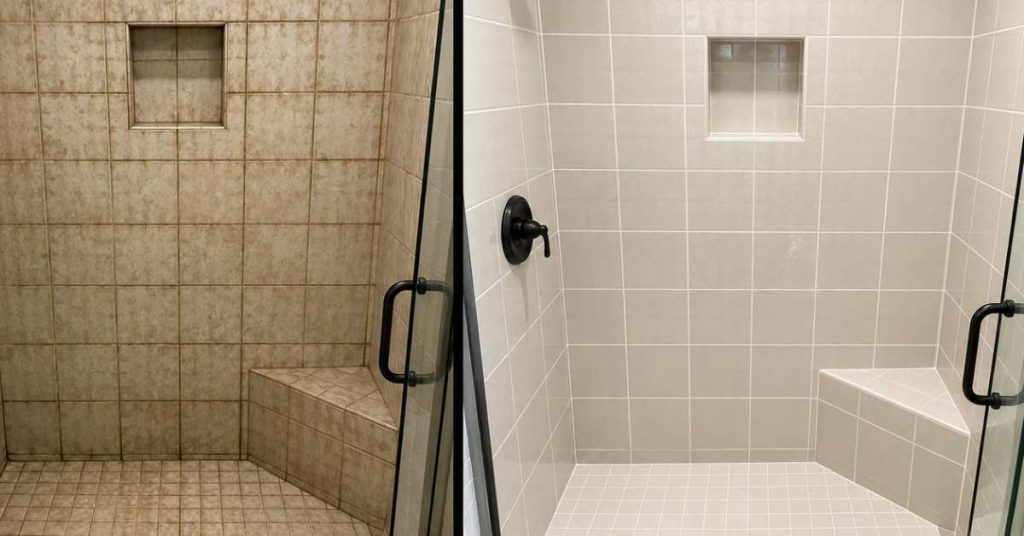
A floor can be spotless and still look dirty if the grout has gone dark, blotchy, or permanently stained. That is exactly where a grout color sealer changes the game. Instead of tearing out old grout or living with uneven lines, you can restore the color, seal out future stains, and give the whole surface a cleaner, more finished look in one project.
For homeowners, that usually means getting back the crisp look the room had when the tile was new. For property managers and restoration pros, it means a faster, more cost-effective fix than regrouting. And for anyone staring at a shower floor or kitchen tile that never seems to come clean, it is often the difference between “worn out” and “restored right back to new.”
What a grout color sealer actually does
A grout color sealer is not just a clear sealer with a little tint mixed in. It is a coating designed to bond to existing grout, refresh or change the grout color, and leave behind stain resistance at the same time. Done correctly, it creates a more uniform appearance across the installation while helping block dirt, spills, soap residue, and everyday grime from soaking back in.
That matters because grout is naturally porous. Once it has absorbed cooking grease, mop water, hard water minerals, shampoo residue, or tracked-in dirt for years, basic cleaning can only do so much. Even after a deep scrub, grout often stays mottled. Some joints look lighter, some darker, and some still carry old stains that will not budge.
Color sealing addresses that problem directly. Instead of trying to scrub away every last sign of age, it covers unevenness with a consistent finish and adds protection for the future. In practical terms, you are not just cleaning grout. You are resetting it.
When grout color sealer makes sense
There is a time for replacement, and there is a time for restoration. If grout is crumbling, missing in large sections, or failing structurally, color sealer is not a substitute for repair. But if the grout is intact and simply ugly, stained, or uneven, this is usually the smarter move.
That is why it works so well in kitchens, bathrooms, mudrooms, laundry rooms, and shower areas where grout takes a daily beating. It is also a strong fit for rental turnovers and home sale prep because the visual payoff is immediate. Clean tile with uniform grout lines makes the whole room feel brighter and better maintained.
Sometimes the goal is to keep the original grout shade. Sometimes it is to go lighter, darker, or simply more current. Both can work, but the best choice depends on the tile, the amount of existing staining, and how much contrast you want. A dramatic color change can look beautiful, but it also needs careful application to keep the finish crisp.
Why cleaning alone often falls short
People usually try everything else first. Scrub brushes, steam, bleach, baking soda, acid-based cleaners, harsh sprays from the grocery store. Occasionally that helps. More often, it creates a cycle of frustration where the tile looks better for a day, then the grout settles right back into a dull, tired appearance.
The reason is simple. Dirt on the surface is one thing. Embedded discoloration is another. Grout absorbs contamination below the top layer, and some stains become part of the grout’s appearance over time. Add uneven wear, old sealers, soap scum, and mineral buildup, and you end up with grout that is technically clean enough but still looks bad.
That is why prep matters so much before applying any grout color sealer. You want to remove grease, soap film, and loose contaminants so the product can bond properly. A proper deep clean creates the foundation for a professional-looking result. Skip that part, and even a good color sealer may struggle to adhere evenly.
How grout color sealer transforms the look of a room
Grout lines frame every tile. When those lines are stained or inconsistent, the entire surface looks older than it is. When the grout is uniform, the tile pattern reads clearly and the room feels sharper, cleaner, and more intentional.
In a kitchen, that can make an older tile floor look refreshed without demolition. In a primary bath, it can take a shower from dingy to polished. In an entryway, it can make heavy-traffic tile look maintained instead of neglected. The tile itself may not change at all, but the room does.
This is one reason color sealing gets such strong reactions. People expect the grout to improve. They do not always expect the whole space to feel newer. A stain-free makeover on the grout has a ripple effect across the room.
How to get the best results
The process is approachable for DIY users, but it rewards patience. Start by making sure the grout is fully dry and free from residue. If there is soap scum, grease, hard water haze, or leftover cleaner on the surface, deal with that first. The cleaner and more stable the grout, the better the final finish will look.
Application is usually done line by line, working the color sealer into the grout joints and wiping excess from the tile surface before it dries there. That part takes focus more than brute effort. On straightforward ceramic or porcelain tile, cleanup is typically simple. On textured tile, natural stone, or very porous surfaces, the job can be trickier because the product can catch in pits or absorb into the face of the material.
That is where the “it depends” part matters. Smooth glazed tile is generally beginner-friendly. Rough stone-look surfaces may need more testing and care. Showers need special attention because moisture issues, soap buildup, and old caulk problems can interfere with results if they are not addressed first.
If you are changing grout from a dark shade to a much lighter one, expect the prep and coverage to matter even more. It can still be a piece of cake compared with regrouting, but it is not the kind of project that rewards rushing.
Choosing the right grout color sealer color
Matching the existing grout color is the safe choice when the goal is simple restoration. It preserves the original design while covering stains and evening out blotchy joints. This works especially well when the tile already suits the room and only the grout has aged badly.
Changing the color can have a bigger design impact. Lighter grout can brighten a room and make the surface feel more open, though it tends to show soil more quickly if maintenance is inconsistent. Darker grout can be forgiving in high-traffic areas and create stronger contrast, but on some tile styles it can make the grid pattern more pronounced.
The sweet spot is usually a color that complements the tile, hides everyday wear reasonably well, and still looks believable across the whole installation. Professional-grade systems with broad color ranges make this easier because you are not settling for “close enough.”
Protection is the real long-term benefit
The visual change gets the attention, but the ongoing stain resistance is what makes color sealing such a smart restoration move. Once the grout has a properly bonded protective finish, routine maintenance gets easier. Dirt tends to stay closer to the surface instead of sinking deep into porous joints, so regular cleaning is more effective.
That means less aggressive scrubbing, fewer harsh chemicals, and less backsliding into that permanently dingy look. In busy homes, that matters. In rentals and commercial settings, it matters even more because labor and turnaround time are always part of the equation.
A quality system can deliver years of performance when the surface is prepped correctly and maintained with the right products. That is the difference between a quick cosmetic fix and a restoration-first approach. This Old Grout has built its reputation around that idea for good reason. When you can recolor and stainproof in one step, replacing grout starts looking unnecessary in a lot of situations.
Is grout color sealer worth it?
If your grout is sound but stained, uneven, or impossible to make look clean, yes, it usually is. The cost is far lower than demo and replacement, the disruption is minimal, and the payoff is visible right away. It is one of those rare maintenance projects that improves both appearance and function.
The main trade-off is that success depends on prep and application. This is not magic paint for dirty grout. It is a restoration product, and restoration works best when the surface is cleaned properly and the product is used with care. But when those pieces are in place, the result can look remarkably close to a full refresh.
If you have been staring at grimy grout lines and assuming replacement is the only real fix, take a second look. Sometimes the smartest upgrade is not starting over. It is restoring what you already have and protecting it so it stays looking good much longer.
