

Grout Solutions
How to Choose the Perfect Grout Color for Your Tile Floors
Dec
Choosing the right grout color may seem like a small detail — but it can dramatically impact the look, feel, and maintenance of your tile floors. When done right, grout enhances your tile design subtly or boldly depending on your vision. With over 30 years supplying professional‑grade tile and grout products to homeowners, This Old Grout knows how to guide you toward grout choices that balance style, practicality, and long‑term value.
Why Grout Color Matters More Than You Think
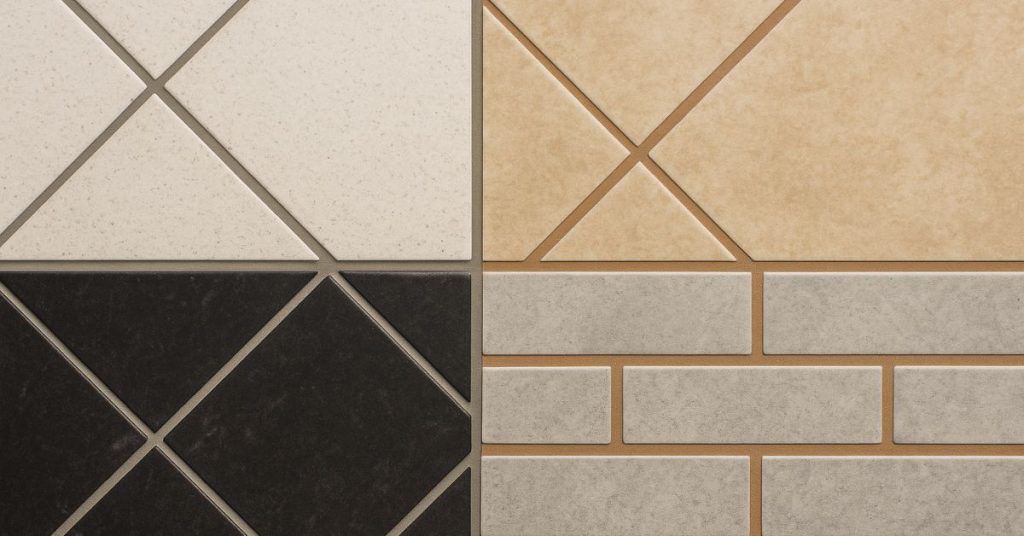
Grout lines define tiles, separate patterns, and influence the overall aesthetic of a room. The color you choose can either make tiles blend smoothly or stand out with strong contrast. A matching grout color produces a seamless, unified surface that can make rooms feel larger — perfect for small bathrooms or minimalist kitchens.
On the other hand, contrasting grout defines each tile’s shape, emphasizes patterns, and adds graphic impact — ideal for bold or geometric tile styles like subway tiles, hexagon layouts, or mosaics.
Therefore, selecting grout color is not just about matching shades — it’s a design decision that affects space perception, tile emphasis, style direction, and maintenance.
Matching vs. Contrasting Grout — Which Should You Pick?
Matching Grout: Seamless, Calm, Timeless Look
-
When it shines: Use matching or similar‑tone grout when you want a clean, unified surface where tile blend appears smooth rather than segmented. This works extremely well with larger tiles or minimalistic aesthetics.
-
Best for small spaces: Because it reduces visual breaks, matching grout helps small rooms feel more spacious and airy.
-
Advantages: Fewer visual interruptions, cohesive look, easier on the eyes when tile pattern is busy or decorative. It keeps focus on tile texture and color rather than grout.
Contrasting Grout: Bold, Defined, and Visually Striking
-
When it works: Use contrasting grout to highlight the tile pattern — especially effective with subway tiles, geometric layouts, or smaller tiles with frequent grout lines.
-
Design styles: Modern, industrial, or graphic‑heavy interiors benefit from contrast: black grout on white tiles, dark gray lines on light surfaces, etc.
-
Effect: You visually define each tile, adding depth, dimension, and pattern emphasis. That bold grout becomes part of the design rather than disappearing into the background.
Other Key Factors to Consider Before Picking Grout Color
Choosing a grout color isn’t just about aesthetics. The following factors also matter:
-
Tile color, texture, and finish — Glossy tiles pair well with subtle, matching grout; textured or patterned tiles may benefit from contrast to bring out structure.
-
Light, room size, and layout — In dim or small spaces, matching grout can expand the perceived area. In large, well-lit rooms, contrast can create drama without overwhelming.
-
Maintenance and wear — Light grout shows stains more easily, while dark grout hides dirt but may show mineral buildup or discoloration over time.
-
Design longevity and flexibility — Neutral tones (grays, taupes, warm beiges) tend to stay timeless and adapt to changing décor. Bold grout makes a strong style statement, but may limit future redesign flexibility.
How This Old Grout Helps You Choose the Right Color — Expert Guidance and Contractor‑Grade Products
At This Old Grout, we understand that grout color should work with your tile, your space, and your lifestyle. We help homeowners by offering:
-
Comprehensive grout color options — From crisp whites and light neutrals to bold charcoals and classic taupes.
-
Professional‑grade grout and sealers — Our grout and grout sealers resist stains, water, and wear, preserving appearance over time.
-
Advice tailored to your project — Whether you’re doing new tile installation, re‑grouting old floors, or restoring stained grout, we guide you in selecting color and product type.
-
Cleaning and maintenance solutions — We supply tile and grout cleaners formulated for sealed grout, helping you maintain clean lines and durable finish.
With our 30+ years working in tile and grout restoration, we’ve seen firsthand how the right grout can transform a floor — and how the wrong choice can age it prematurely.
Grout Color Decision Guide — Questions to Ask Before You Commit
Before sealing that grout line, run through this quick checklist:
-
What mood or style do you want? Clean and seamless? Bold and graphic?
-
Will your room benefit from a seamless visual flow (small space) or defined tile shapes (large area)?
-
What is the tile finish and texture? Glossy, matte, patterned, stone-like?
-
How much maintenance are you willing to do? Bright grout shows dirt, dark grout may hide it.
-
Do you want a timeless neutral or a design statement?
Taking the time to answer these questions ensures your grout color serves both aesthetic and functional purposes.
Conclusion — Don’t Underestimate Grout: It’s Part of the Design
Grout color is a powerful, often underestimated aspect of tile design. It defines tile shapes, affects space perception, influences maintenance, and plays into the overall feel of a room. Whether you aim for a seamless, minimalist surface or a bold, pattern‑driven floor, the right grout choice makes all the difference.
At This Old Grout, we combine decades of expertise with a wide selection of grout colors, sealers, and cleaning products to help you make informed decisions. We make it easy for homeowners to deliver professional‑grade results at home — whether you’re restoring an old floor or installing brand‑new tile.
Take your time choosing grout color, consider how it interacts with tile, light, space, and life. Then, apply, seal, and enjoy a floor that looks great today — and stays beautiful for years.
